Good Morrow.
I have always been a sucker for a good themed restaurant. Texas Roadhouse, Rainforest Cafe, or, the gold standard, Medieval Times—they all understand something that I think we sometimes forget:
Dinner is more fun when it feels like an occasion.
These establishments don’t simply serve food. They curate an entire experience. The food, the atmosphere, the music, the costumes all work together to transport you somewhere else for an evening.
In an effort to bring more whimsy into my own life, I have taken inspiration from these fine establishments and begun creating themed dinners at home.
I present to you:
Medieval Dinner
A Medieval Dinner consists of two vital things: food and atmosphere.
And fortunately, neither requires a great deal of effort.
The Feast
Let’s begin, naturally, with the most important part of any feast:
The Main Course: A Big Hunk of Meat
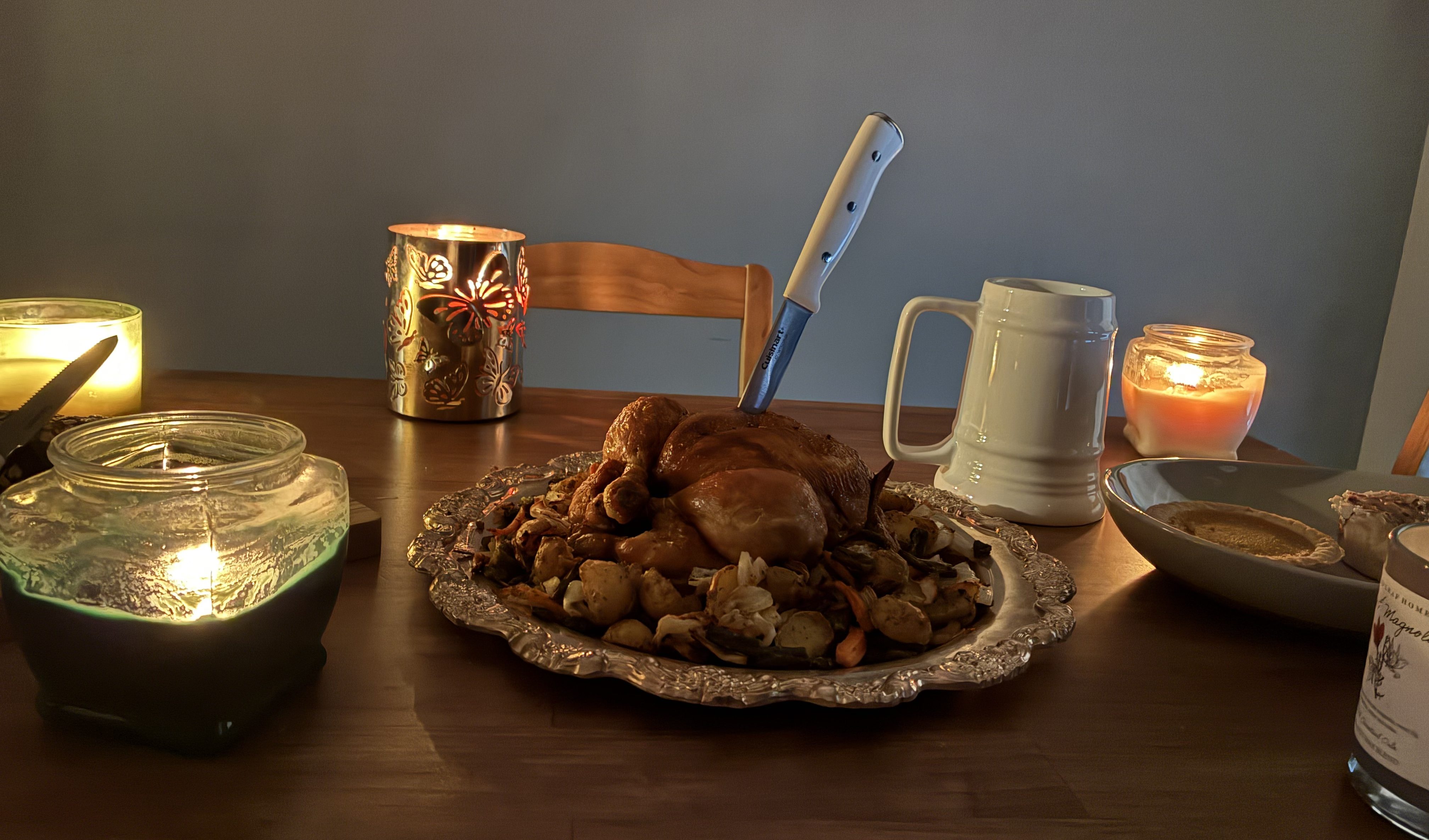
A medieval citizen either spends their days laboring in the fields and thus requiring nourishment, or dancing at fine balls and gorging themselves upon the provided spread.
Either way, a big hunk of meat is necessary.
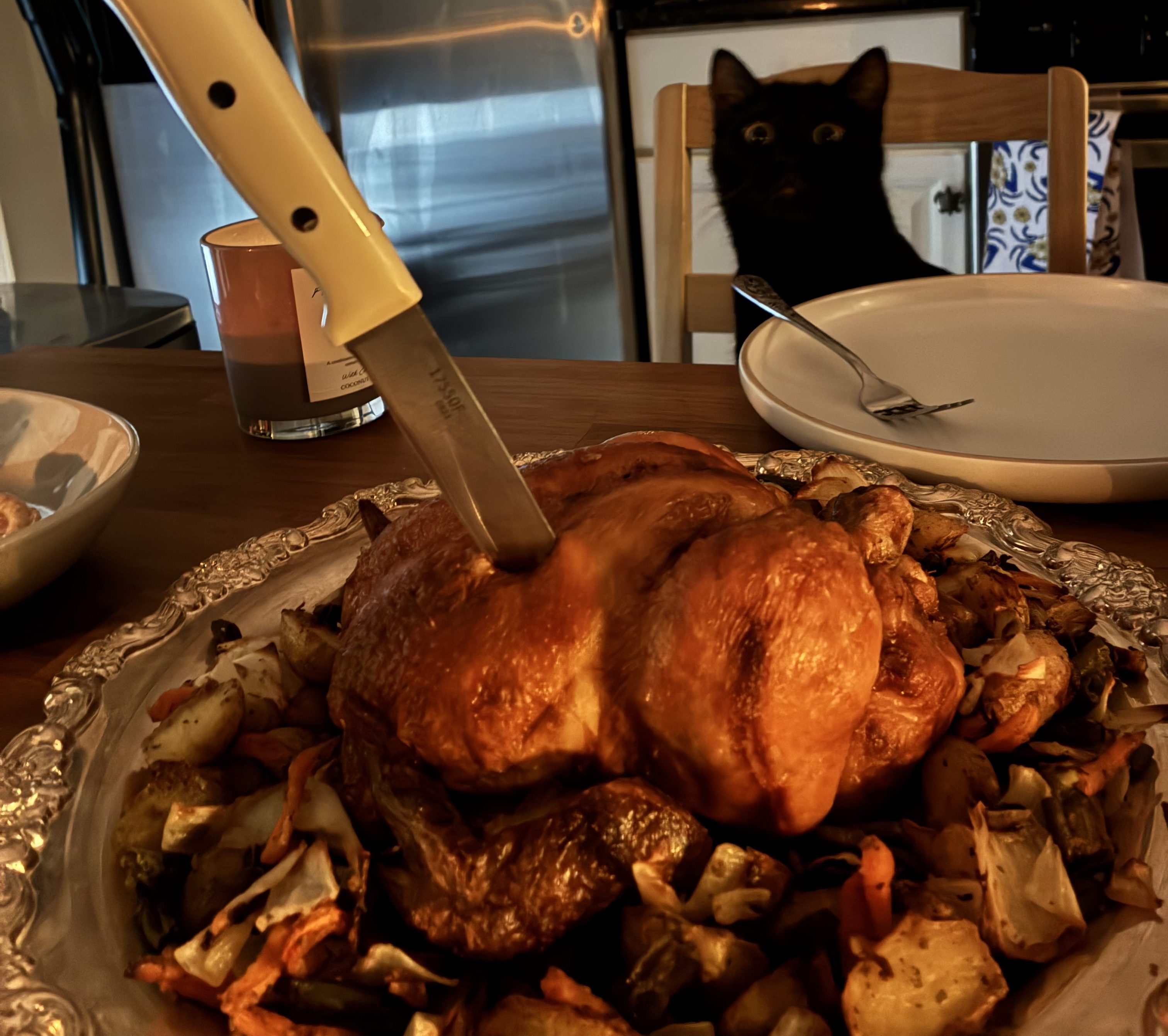
Rotisserie Chicken
My personal favorite.
A rotisserie chicken is easily accessible in most areas and requires virtually no preparation whatsoever. I recommend procuring one from Sam’s Club or Costco if you’d like the most bird for your buck, but many grocery stores have perfectly respectable options as well.
Simply place the chicken upon a grand serving platter and present it to your guests as though you have spent the entire day roasting it over an open fire. The vibes will be immaculate.
Steak
A wonderful option for those wishing to cosplay a wealthy merchant or noble with the disposable funds necessary to regularly eat beef.
This is a pricier choice, but if one knows how to properly prepare a steak, it can be a most delicious addition to the feast.
Stew
Stew is the perfect choice for those wishing to feel as though they have just arrived at a local tavern after a long day of travel.
Homemade stew is most delicious, although it does require a bit of planning ahead. For those who prefer convenience, canned stew is entirely acceptable.
Heat it up, serve it in a rustic bowl, and suddenly you are a weary traveler warming yourself beside the tavern hearth.
Accessibility is important, and Medieval Dinner should be achievable regardless of how much time, money, or energy one has to devote to it.
For My Veggie Lovers
We are not terribly concerned with historical accuracy here.
We are concerned with vibes.
And tofu can absolutely achieve medieval vibes when prepared properly.
Tofu is a heart-healthy blank canvas from the gods, and therefore the possibilities are endless. Marinate and sear it as you would a steak. Add it to a stew or soup. Bread and fry it to create faux chicken tenders.
The latter is perhaps not particularly medieval, but it is very pleasing to the belly.
Other excellent meat-free options include:
- Veggie burgers—they are fire.
- Tempeh, which is chronically underrated.
- Hearts of palm, which have more uses than one might expect.
- Beans, a most welcome addition to any feast.
The Accompaniments
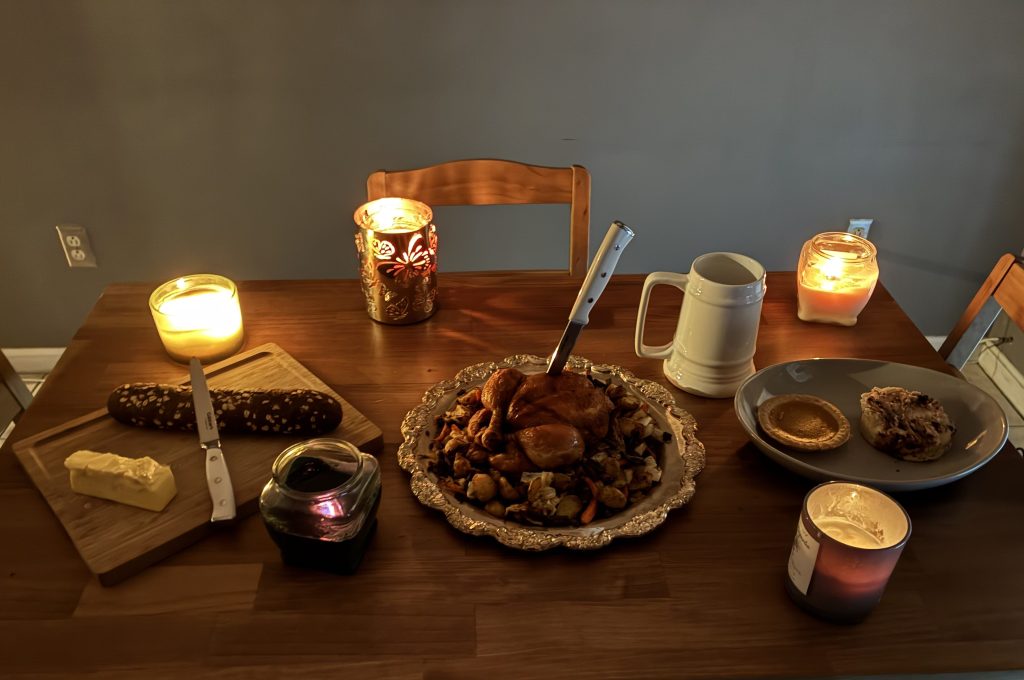
Side dishes are really where one’s creativity may run wild.
There are no strict rules here. If it can be roasted, placed in a wooden bowl, or presented upon a large platter, it is probably suitable for the feast.
Roasted Vegetables
Roasted vegetables are one of my favorite additions because they are simple, inexpensive, and look positively splendid when served together on a large platter.
Some excellent combinations include:
- Potatoes — a must for me
- Carrots
- Onions
- Broccoli
- Brussels sprouts
- Squash
There is something particularly satisfying about a large platter of roasted vegetables sitting beside an enormous roasted chicken. It looks like the sort of meal that would be brought to the table after a successful hunt.
Soup
I prefer a more brothy, less stewy soup when serving it as a side, but truly, follow your heart..
Some humble recommendations:
- Tomato soup
- Squash soup
- Pumpkin soup
- Chicken and wild rice
- Zuppa Toscana
Serve it in a sturdy bowl, and you might find yourself in a tavern.
Bread
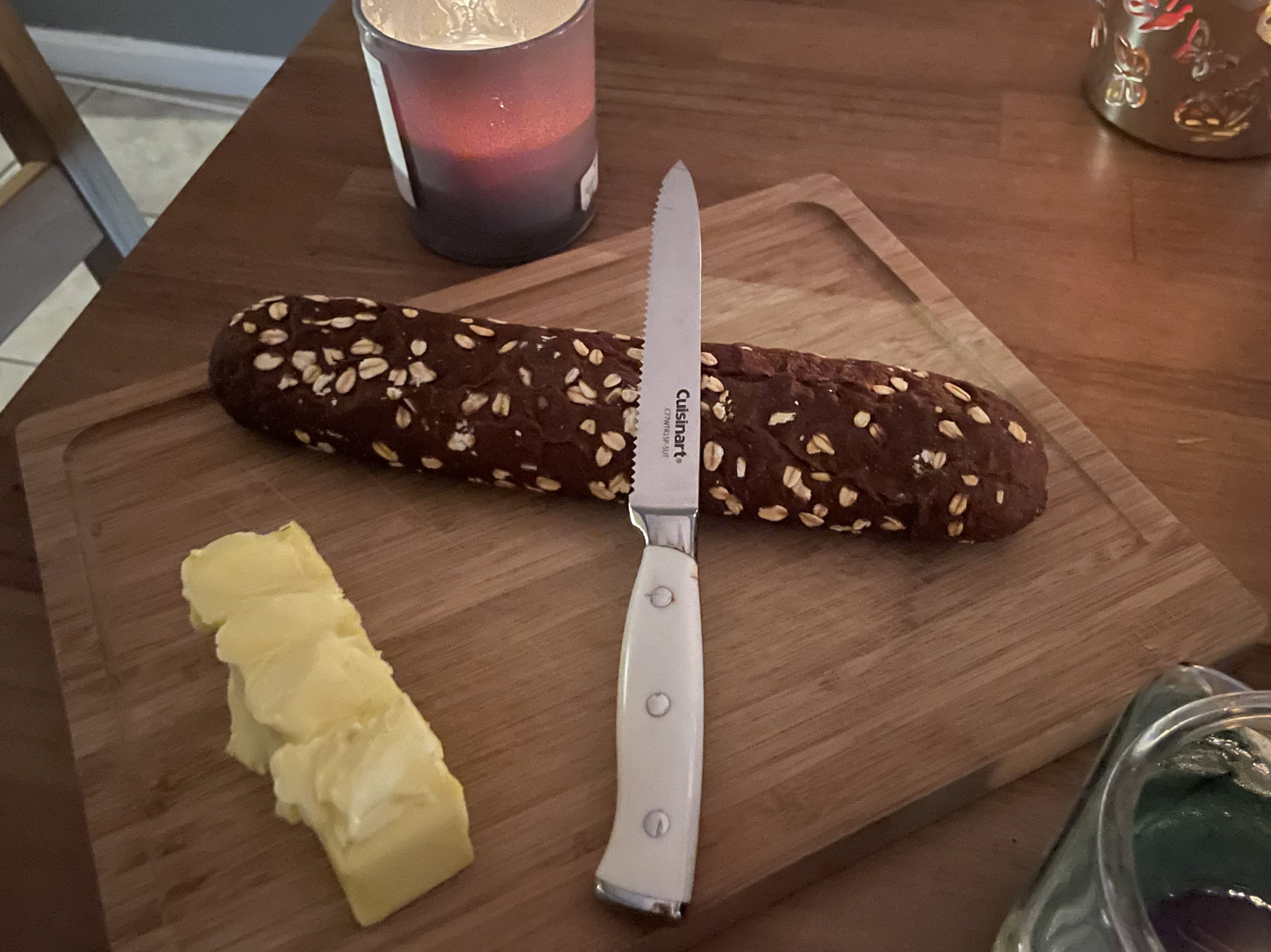
The crustier, the better.
A loaf of bread on the table brings joy to all.
Consider:
- Sourdough
- French baguette
- Italian bread
- Garlic bread
Spread copious amounts of butter on it, and you’ll hear angels sing.
Cheese & Grazing Board
A selection of fine cheeses, sliced meats, nuts, dried fruits, and honey can really set the scene.
Additionally, who among us has not read a book where the main character eats a dinner consisting almost entirely of bread and cheese?
This is a great opportunity to live out that fantasy.
Dessert
For dessert, my favorites are any kind of Danish or pie.
They feel like something you could purchase from a stall at a medieval market while wandering between merchants selling handmade pottery and leather goods.
Sweet breads, such as brioche, are another excellent option and make a lovely way to end the meal.
The goal is not necessarily historical accuracy, but to look at your dessert and think:
A medieval maiden would eat this.
Something to Drink
For my readers who imbibe:
- Mead
- Ale
- Wine
For my readers who need to keep their wits about them:
- Sparkling apple or grape juice
- Root beer or cola
- Milk
A fancy goblet can make any beverage on theme.
Setting the Scene
Now we arrive at the second vital component of Medieval Dinner:
The atmosphere.
The food can be excellent, but without the proper ambiance, you are merely eating a delicious dinner.
And we are trying to do something much more important than that: to leave out our medieval fantasy dreams.
Music
Music does a remarkable amount of work when creating an atmosphere.
You might try:
- Tavern playlists
- Medieval pop covers
- Medieval movie soundtracks
- Royal court playlists
I particularly enjoy music that sounds as though a magical creature might suddenly appear and give me a quest.
Lighting
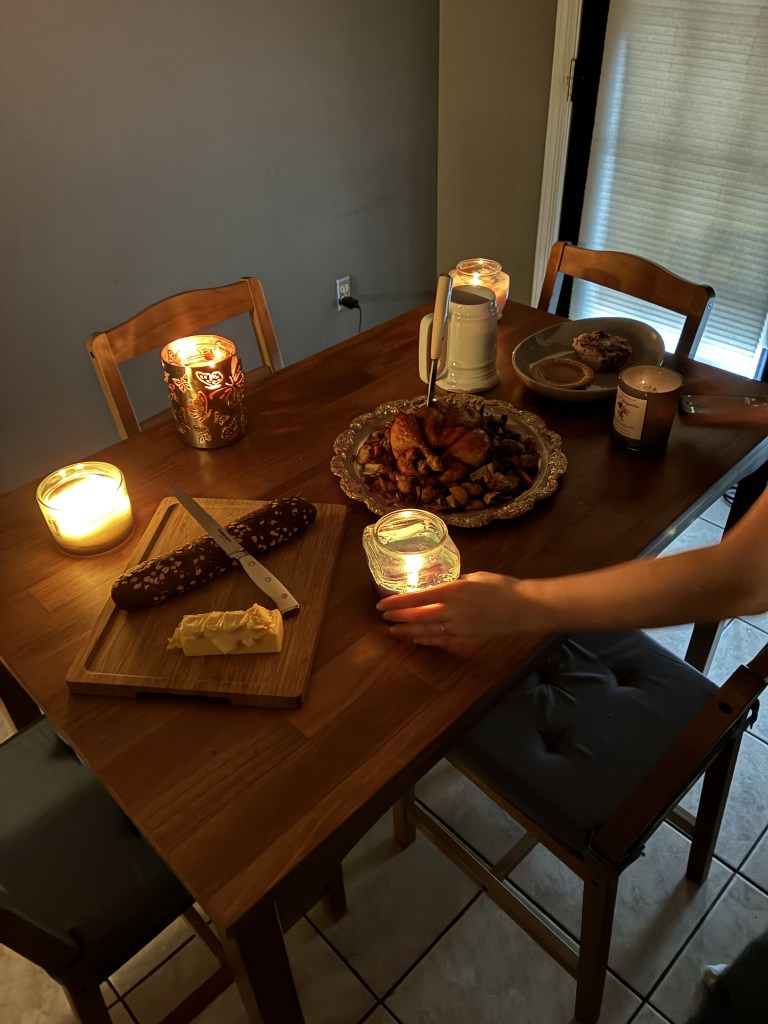
Turn off the overhead lights, seriously.
Low lighting transforms an ordinary dining room into a tavern lit by a glowing hearth.
Candlelight is ideal, but warm lamps can also work beautifully.
The more candles, the better.
Plating
Do not underestimate the power of presentation.
Wine glasses, goblets, and steins are ideal for your beverages. Mugs can serve as a perfectly respectable alternative.
For the main course, serve the food on a grand platter.
A silver platter is ideal, but a wooden cutting board or even a cookie sheet can also fulfill the same role with dignity. What really matters is that the food feels like a feast.
A rotisserie chicken in its plastic grocery-store container is not reaching its full potential.
A rotisserie chicken dramatically presented upon a silver platter surrounded by roasted vegetables and candlelight; that’s a feast fit for a king.
Dress for the Occasion
Have you been looking for an excuse to wear your Renaissance Faire outfit?
Here it is.
If you don’t have a designated costume, there are probably more options in your closet than you realize.
Some pieces to consider:
- A linen or dress shirt
- Flowy pants
- A flowy skirt
- A vest
- A leather belt
The secret to go from an everyday outfit to garb fit for a feast is to layer and accessorize. Don’t be afraid to get a little silly with it.
The Final Feast
A Medieval Dinner can add untold whimsy and delight to an otherwise ordinary evening with surprisingly little preparation.
It can be elaborate, with homemade stew, homemade bread, elaborate costumes, and enough candles to buy out your local chandler.
Or it can be incredibly simple.
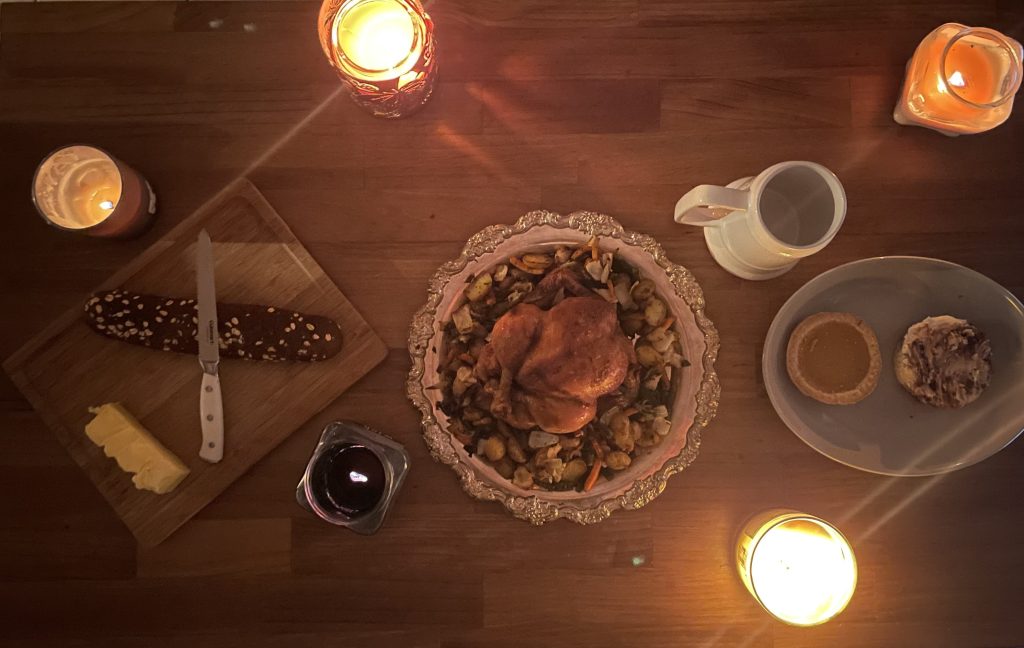
Buy a rotisserie chicken, roast some vegetables, put everything on a large platter, light a few candles, and pour your favorite beverage into a goblet.
The point isn’t historical accuracy.
The point is to make an ordinary Tuesday night feel a little bit magical.
So gather your finest goblets, procure a plump chicken, light the candles, and send an invite via pigeon to your friends.
The feast awaits.